

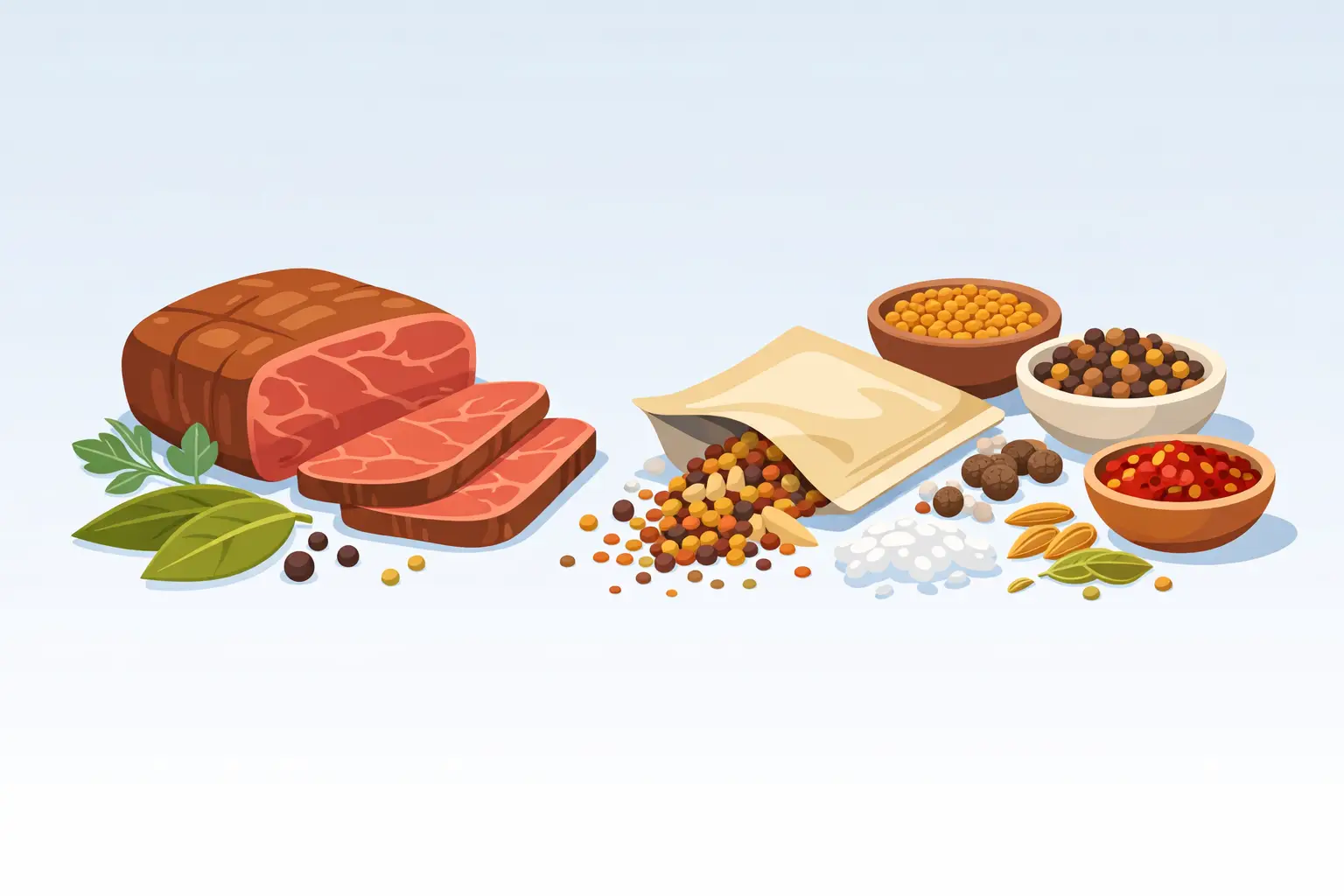
That little corned beef spice packet tucked beside the brisket is easy to overlook. Don’t. It is where the pot gets its warm, peppery, old-school deli aroma – the kind that makes the kitchen smell like somebody’s been cooking all day, even when dinner is still an hour away.
A good corned beef brisket brings its own cured, salty flavor to the party. The spice packet gives it lift: bright coriander, sharp mustard seed, earthy bay, a little clove-like warmth, and the savory backbone that turns boiled beef into a proper Sunday supper. Use it right, and you get a better pot of corned beef, cabbage, potatoes, and carrots. Ignore it, and you may still have dinner, but you are leaving flavor on the table.
What Is in a Corned Beef Spice Packet?
Most corned beef spice packets are a version of pickling spice. There is no single official formula, so the exact blend changes from brand to brand. But the usual suspects are familiar to anyone who loves traditional deli flavor: mustard seeds, coriander seeds, black peppercorns, bay leaves, allspice berries, cloves, dill seed, and sometimes crushed red pepper or ginger.
Mustard seed adds a clean, tangy bite without making the meat taste like prepared yellow mustard. Coriander has a citrusy, lightly floral note that cuts through rich beef. Peppercorns bring a welcome heat, while allspice and clove add the warm background flavor people often recognize but cannot quite name.
Bay leaf is quieter, but it matters. It brings a woodsy, savory note that makes the cooking liquid taste rounded instead of flat. Dill seed may show up in some packets too, giving the broth that lightly pickled character associated with corned beef and classic deli counter flavors.
The packet is not meant to make the meat spicy-hot. It is meant to make it smell and taste seasoned all the way through the cooking process. Think of it as the supporting cast, not the star. The brisket still has to be good.
How to Use a Corned Beef Spice Packet
The simplest answer is also the right one: open the packet and add the spices to your cooking liquid when you start the corned beef. Whether you simmer the brisket on the stove, cook it in a slow cooker, or bake it covered in the oven, the spices need time and moisture to release their flavor.
For stovetop corned beef, place the brisket in a large pot, cover it with water, add the spice packet, and bring the liquid just to a boil. Then lower the heat until it barely simmers. A hard, rolling boil can make brisket tighten up and turn less tender. Slow and steady is the deli way.
In a slow cooker, add the meat, spice packet, and enough water or broth to come most of the way up the brisket. The meat does not have to be fully submerged if you are cooking it low and slow with the lid on, though a little extra liquid helps create a flavorful broth for potatoes and cabbage later.
For oven cooking, set the brisket fat-side up in a Dutch oven or deep roasting pan. Add the spice packet and enough water to create steam and braising liquid, then cover tightly. The oven gives you a slightly more concentrated, roasted flavor than a big pot of simmering water. It is a strong choice when you want tender slices without the kitchen feeling like a steam room.
You can toss the spices directly into the liquid, but a tea infuser, cheesecloth pouch, or reusable spice bag makes cleanup easier. That matters when you are serving a crowd and do not want somebody biting into a whole clove alongside their cabbage.
Should You Rinse the Brisket First?
It depends on how salty you like your corned beef and which brand you bought. Corned beef is cured in a seasoned brine, and some cuts carry more salt than others. A quick rinse under cold water removes surface brine without stripping away the flavor that has already worked its way into the meat.
If you prefer a more traditional salty, assertive corned beef flavor, rinse briefly or skip the rinse. If you are sensitive to salt, rinse the brisket well, then cook it in fresh water. Some home cooks even bring the brisket to a boil for a few minutes, discard that first water, and start again with clean water and the spice packet.
That second method produces a milder result, but there is a trade-off. You lose some of the bold cured flavor that makes corned beef taste like corned beef. For a full-flavored sandwich, most people will be happier with a quick rinse and one pot of fresh water.
Can You Add More Spices?
Absolutely, especially if the packet looks skimpy. A small packet can season the cooking liquid, but a larger brisket may benefit from a little help. Add a teaspoon each of extra coriander seed and mustard seed, a few peppercorns, and another bay leaf. That is usually enough.
Go easy with cloves and allspice. Those spices are powerful, and too much can make the broth taste sweet, medicinal, or like holiday ham. Corned beef should taste beefy first. The spice is there to sharpen the edges, not cover up the meat.
A few garlic cloves and a quartered onion are welcome additions to the pot. Beer is another popular option, particularly a malty lager or amber beer, but it is not required. Water, the seasoning packet, onion, and patience can produce a terrific brisket. Fancy ingredients are not a substitute for giving the meat enough time to get tender.
When to Add Cabbage, Potatoes, and Carrots
Do not put everything in the pot at the beginning. The corned beef needs far longer than the vegetables, and nobody is looking for cabbage that has surrendered completely to the broth.
Cook the brisket until it is nearly fork-tender, then add potatoes and carrots for the final 30 to 40 minutes. Add cabbage wedges during the last 15 to 20 minutes, depending on their size. You want cabbage that is tender but still has enough structure to land on a fork.
The broth will be richly seasoned by then, so the vegetables pick up flavor fast. Taste before adding additional salt. More often than not, the corned beef has already done that job for you.
The Spice Packet Is Not a Shortcut to Great Corned Beef
Here is the honest deli-counter truth: the spice packet helps, but it cannot rescue a poor cut or rushed cooking. Great corned beef comes from quality brisket, proper curing, and gentle cooking until the connective tissue relaxes into tenderness.
The packet also cannot replace the finishing touch that makes a corned beef sandwich worth remembering: slicing the meat correctly. Let the brisket rest for 10 to 15 minutes, then slice thinly against the grain. If you cut with the grain, even tender meat can feel chewy. Against the grain, it turns soft, juicy, and ready for rye bread, mustard, and a pile of pickles.
That attention to the little things is why traditional corned beef still earns a loyal crowd. At Bronx Deli, the recipe may be mastered over generations, but the idea is simple enough for any home kitchen: start with real ingredients, season with purpose, and do not rush the good stuff.
If your next brisket comes with that small mystery packet, use it. Let the coriander, mustard seed, pepper, and bay do their work low and slow. Then slice it right, pile it high, and ask yourself the only question that matters: how’d ya get so lucky?