

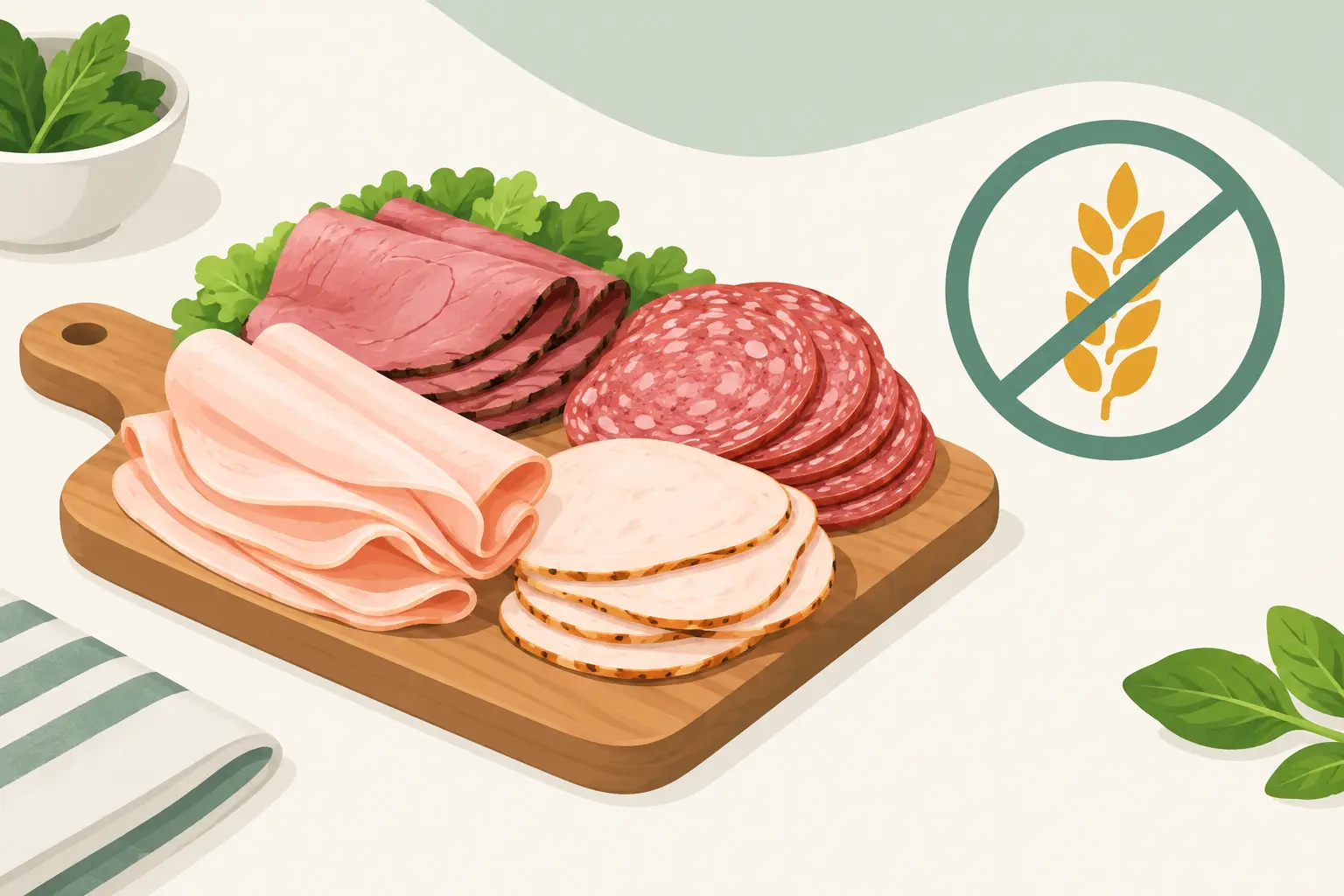
A stacked corned beef sandwich looks simple: great meat, fresh bread, maybe a pickle on the side. But if you avoid gluten, the question is not always so simple. Are deli meats gluten free? Many are, but the answer depends on the recipe, the brand, the slicer, the sauces, and what else touches your order before it reaches the table.
That does not mean deli food is off the menu. It means a good order starts with a few smart questions. Whether you are managing celiac disease, a wheat allergy, or a personal gluten-free diet, you deserve a lunch that is both satisfying and made with care.
Are Deli Meats Gluten Free? Usually, but Not Automatically
Plain, unseasoned cuts of meat are naturally gluten-free. Turkey, roast beef, ham, chicken, pastrami, salami, and corned beef all begin as meat, and meat itself does not contain gluten.
The catch is everything that can happen after the meat is prepared. Deli meat may be cured, brined, seasoned, smoked, glazed, injected with flavoring, or packaged with preservatives and binders. Any of those additions can introduce gluten. Some recipes use wheat-based ingredients in seasoning blends, soy sauce, malt flavoring, broth, or modified food starch.
That is why “it’s just turkey” is not a reliable gluten-free answer. One brand’s oven-roasted turkey may be gluten-free, while another brand’s version includes a flavoring or additive that is not. The same goes for ham with a sweet glaze, peppered beef, and specialty meats with bold seasoning.
For people with celiac disease, even a product with no obvious wheat ingredient may not be the right choice unless the manufacturer clearly identifies it as gluten-free or can confirm its status. Gluten-free eating is not about guessing. It is about knowing what went into the food and how it was handled.
Where Gluten Can Hide at the Deli Counter
The meat is only one part of the order. At a busy deli counter, the bigger issue may be the ingredients around it and the surfaces used to prepare it.
Bread is the obvious one. Rye, wheat, wraps, rolls, hoagie buns, crackers, and croutons all contain gluten unless specifically made otherwise. A giant sandwich on fresh rye is classic deli comfort, but it is not the move for a gluten-free customer. A plate, salad, or lettuce wrap may work better, provided the rest of the ingredients are safe.
Sauces deserve a close look, too. Mustard is often gluten-free, but flavored mustards can vary. Mayonnaise is commonly gluten-free, but recipes differ. Barbecue sauce, teriyaki, gravy, cheese sauce, dressings, and sandwich spreads are more likely to contain gluten or have unclear ingredients. Malt vinegar is another red flag because malt is made from barley.
Then there is cross-contact. A slicer that just cut breaded chicken, a knife used on a wheat roll, or gloves that handled bread can transfer gluten to otherwise gluten-free meat. For someone simply reducing gluten, this may be less of a concern. For someone with celiac disease or a serious allergy, it can make all the difference.
What to Ask Before You Order
A confident order begins with plain, direct questions. There is no need to make it complicated. Let the staff know that you need to avoid gluten, then ask whether the specific meat has gluten-containing ingredients and whether its label or supplier information can be checked.
It also helps to ask how the order is prepared. Can the meat be cut on a cleaned slicer? Can the kitchen use clean gloves, a clean knife, and a fresh prep surface? Is there a gluten-free bread or wrap available, and is it stored and toasted separately? If that level of separation is not possible, a reputable restaurant should tell you honestly.
For a catered lunch, ask these questions before the day of the event. It is much easier to set aside a labeled gluten-free platter, salad, or entrée when the catering team has advance notice. A “no bread” note is helpful, but it is not the same as requesting gluten-aware preparation.
Corned Beef, Pastrami, and Other Deli Favorites
Corned beef and pastrami are deli royalty, but neither should be assumed gluten-free based on name alone. Traditional corned beef is typically beef cured in a brine with salt and spices. Many versions are gluten-free, yet some commercial brines, spice blends, and prepared products may contain gluten or be made in facilities that handle wheat.
Pastrami starts with cured beef and gets its famous personality from spices, smoking, and steaming. Again, the core ingredients may be naturally gluten-free, but the seasoning blend and preparation process matter. The same careful approach applies to roast beef, smoked turkey, ham, bologna, pepperoni, and liverwurst.
This is where a deli with real kitchen knowledge earns trust. At Bronx Deli, the food is built around home-cooked recipes and serious respect for a great sandwich. Still, the right gluten-free choice should always be confirmed with the team at the time of ordering, especially when recipes, suppliers, or daily specials can change.
Building a Big, Gluten-Conscious Deli Order
Skipping bread should not mean settling for a sad lunch. A deli plate can still bring plenty of flavor and enough food to keep you full.
Start with a verified gluten-free meat, then add naturally gluten-free sides and toppings that have been checked for ingredients and cross-contact. Crisp lettuce, tomato, onion, pickles, coleslaw, potato salad, cheese, and a side salad can all be possibilities, but recipes vary. Coleslaw and potato salad may contain dressings or seasonings that need confirmation. Pickles are often gluten-free, though flavored varieties and shared serving utensils can complicate things.
A salad can be a solid choice when it is built with care. Ask for the meat, cheese, vegetables, and dressing you have verified, and skip croutons. Watch out for prepared toppings such as crispy onions, fried chicken, imitation bacon bits, and deli salads made with ingredients that are not clearly identified.
If gluten-free bread is available, ask whether it is toasted or prepared away from regular bread. If it is not available, a lettuce wrap or meat-and-cheese plate may be the better call. A classic deli order is about generosity, flavor, and getting exactly what you came for. There is more than one way to make that happen.
Packaged Deli Meat Has Its Own Rules
At the grocery store, labels are your best friend. Look for a clear “gluten-free” statement, then read the ingredient list anyway. Wheat must be disclosed on packaged foods under U.S. labeling rules, but barley and rye may appear under other names, and the absence of wheat does not always mean a product meets gluten-free standards.
Be especially careful with these terms: malt, malt flavoring, soy sauce, hydrolyzed wheat protein, wheat starch, and unspecified seasoning or flavoring when a manufacturer cannot provide more detail. “No gluten ingredients” is not always the same as certified gluten-free, particularly for people who need strict protection from cross-contact.
Keep in mind that recipes change. A package you bought last month may not have the same ingredients today. Check the label each time, even for familiar brands.
When “Gluten-Free” Needs Extra Caution
There is a real difference between choosing foods without gluten ingredients and ordering safely with celiac disease. If you have celiac disease, a wheat allergy, or have been told by a medical professional to avoid gluten strictly, say so clearly. Ask whether the restaurant can accommodate your needs rather than relying on a general menu description.
If the staff cannot verify an ingredient or prevent meaningful cross-contact, choose a different item. That is not being difficult. It is making a smart call for your health.
A great deli meal should leave you thinking about the corned beef, the conversation, and how lucky you got, not wondering what was in the seasoning. Ask the questions, order with confidence, and make room for the kind of lunch that still feels like a proper New York-style feast.