

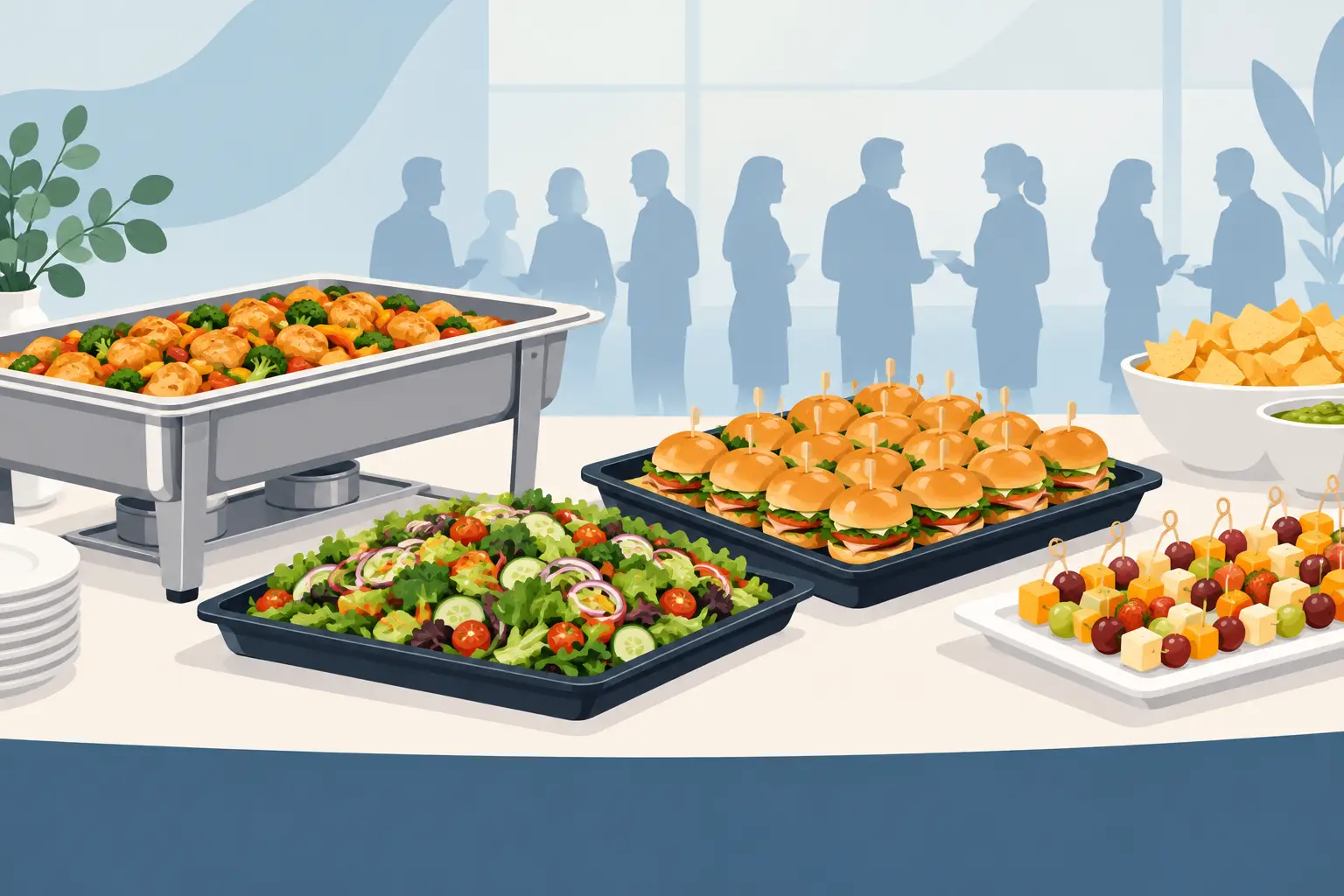
The meeting starts at noon, the guests are hungry by 12:05, and suddenly a sad box of assorted snacks is not going to cut it. A good catering tray comparison starts with one honest question: are you feeding people, or are you trying to impress them? For most office lunches, family parties, team gatherings, and celebrations around Pontiac, the answer is both.
The right tray should look generous, travel well, fit the occasion, and leave guests feeling like somebody planned ahead. That does not always mean ordering the most food. It means choosing food with real staying power – the kind people recognize, reach for, and remember.
Start Your Catering Tray Comparison With the Crowd
Headcount matters, but appetite matters more. A tray for a midmorning training session does not need the same firepower as lunch for a construction crew, a family graduation party, or a late-afternoon staff meeting where everybody skipped breakfast.
For a lighter gathering, a sandwich tray with chips, pickles, and something sweet may cover the table nicely. For a lunch or dinner event, build around a substantial centerpiece and add sides that make the meal feel complete. People tend to eat more when food is served at a regular mealtime, when alcohol is involved, or when the event runs long enough for second helpings.
It also helps to know who is coming. A group of coworkers may appreciate individually portioned sandwiches for an easy grab-and-go lunch. A family party often calls for a bigger spread, where guests can sample a little of everything and go back for their favorites. There is no prize for ordering a tray nobody finishes, but running short is a rough look when Aunt Linda is still asking who took the last corned beef sandwich.
Compare Trays by What They Do Best
Not every tray has the same job. Comparing them by price alone can lead to a table full of food that does not match the moment.
Sandwich trays: the dependable main event
A classic deli sandwich tray is the safest choice when the meal needs to satisfy a wide range of people. It is familiar, easy to serve, and substantial enough to stand alone with a couple of sides. The best versions offer variety without becoming a guessing game: familiar turkey, ham, roast beef, vegetarian choices, and at least one big-flavor deli favorite.
For a crowd that likes its lunch with some swagger, corned beef belongs in the conversation. It brings the salty, savory, slow-cooked richness that turns a standard office lunch into something people talk about afterward. This is especially true when the meat is piled high, sliced right, and supported by fresh bread instead of hidden under it.
The trade-off is timing. Sandwich trays are at their best when served soon after arrival. If your event has a flexible start time, ask for a delivery or pickup window that puts the food on the table close to mealtime.
Meat and cheese trays: better as a social spread
Meat and cheese trays work beautifully for open houses, cocktail-style events, game days, and gatherings where people will snack over several hours. They invite guests to build their own bites and pair naturally with crackers, bread, fruit, pickles, and condiments.
They are less reliable as the only meal for a hungry lunch crowd. If the event lands at noon or six o’clock, give guests something more filling alongside it. Add a sandwich option, a hot dish, or hearty sides so the tray feels intentional rather than like an appetizer that got promoted too early.
Hot trays: built for comfort and staying power
Hot catering trays are the answer when you want the meal to feel more like dinner than a quick break. They are a strong fit for family gatherings, volunteer events, sports banquets, and meetings that stretch into the evening. Warm food carries a certain welcome with it. It tells people to sit down, take a plate, and stay awhile.
The practical question is holding time. Hot food needs a plan for serving, especially if guests arrive in waves. If there is no way to keep a tray warm, choose menu items that still taste great after a short rest or schedule service around the food’s arrival.
Side and dessert trays: the difference between enough and generous
Sides should support the main tray, not compete with it. Potato salad, pasta salad, coleslaw, chips, pickles, and fresh bread each bring something different to the table. Creamy sides add comfort. Pickles and slaw cut through richer meats. Chips provide crunch without requiring utensils.
Dessert trays do more than satisfy a sweet tooth. They give an event a finish line. For an office lunch, cookies or brownies are easy to serve and easy to take back to a desk. For a family celebration, dessert can be the invitation for people to linger and catch up.
Price Per Person Is Not the Whole Story
A lower-priced tray can look like a bargain until it arrives with small portions, skimpy fillings, or so little variety that half the group passes it by. A better way to compare value is to consider how much of the tray is actual food people want to eat.
Look at portion guidance, but use common sense. A tray advertised for ten may be perfect for ten light eaters with sides, or it may really serve seven or eight people who came ready for lunch. Ask whether sandwiches are cut into halves or quarters, whether sides are included, and how much protein is on each sandwich. Those details decide whether your order feels plentiful.
Quality has a practical payoff, too. When the bread is fresh, the meats are flavorful, and the recipes have some real character, guests eat less food but enjoy it more. Nobody remembers that you saved a few dollars on lunch. They remember whether it tasted like a real meal.
Build Variety Without Making the Order Complicated
A tray with five different sandwich styles can be great. A tray with fifteen special requests may turn ordering into a part-time job. Keep the core order broad enough for the group, then accommodate known dietary needs separately when necessary.
For most mixed groups, choose a balance of classic meats, one richer deli option, and a vegetarian selection. Keep condiments sensible, especially if food will sit for a bit. If you know your guests are serious about spicy mustard, extra pickles, or rye bread, that is the time to make the call. A little customization goes a long way when it reflects the people actually eating.
Do not forget utensils, plates, napkins, serving tongs, and condiments. They are not exciting, but neither is watching twelve people try to divide pasta salad with a plastic fork. Confirm what comes with the order and what you need to provide at the location.
Order for the Event, Not Just the Menu
The best tray depends on where it is going and how it will be served. Office lunches need clean portions and a reliable arrival time. Family gatherings can handle a more relaxed, shareable spread. A tailgate may favor food that is easy to eat standing up, while a retirement party may call for a bigger presentation and room for guests to settle in.
When you place the order, have the essentials ready: guest count, serving time, address, dietary needs, and whether you need pickup or delivery. Ordering early is especially smart for larger groups and weekend events. It gives the kitchen time to prepare the food properly and gives you one less thing to worry about.
At Bronx Deli, that means putting award-winning deli flavor where it belongs: in front of a crowd that came hungry. A tray of generous sandwiches, made with the kind of corned beef that has earned its reputation, does not need much of a sales pitch once the lids come off.
Choose the tray that fits your people, give yourself a little breathing room on portions, and make sure the food arrives when the crowd is ready. Then step back, grab a plate, and enjoy the rare event-planning victory where everybody asks the same question: who ordered this?