

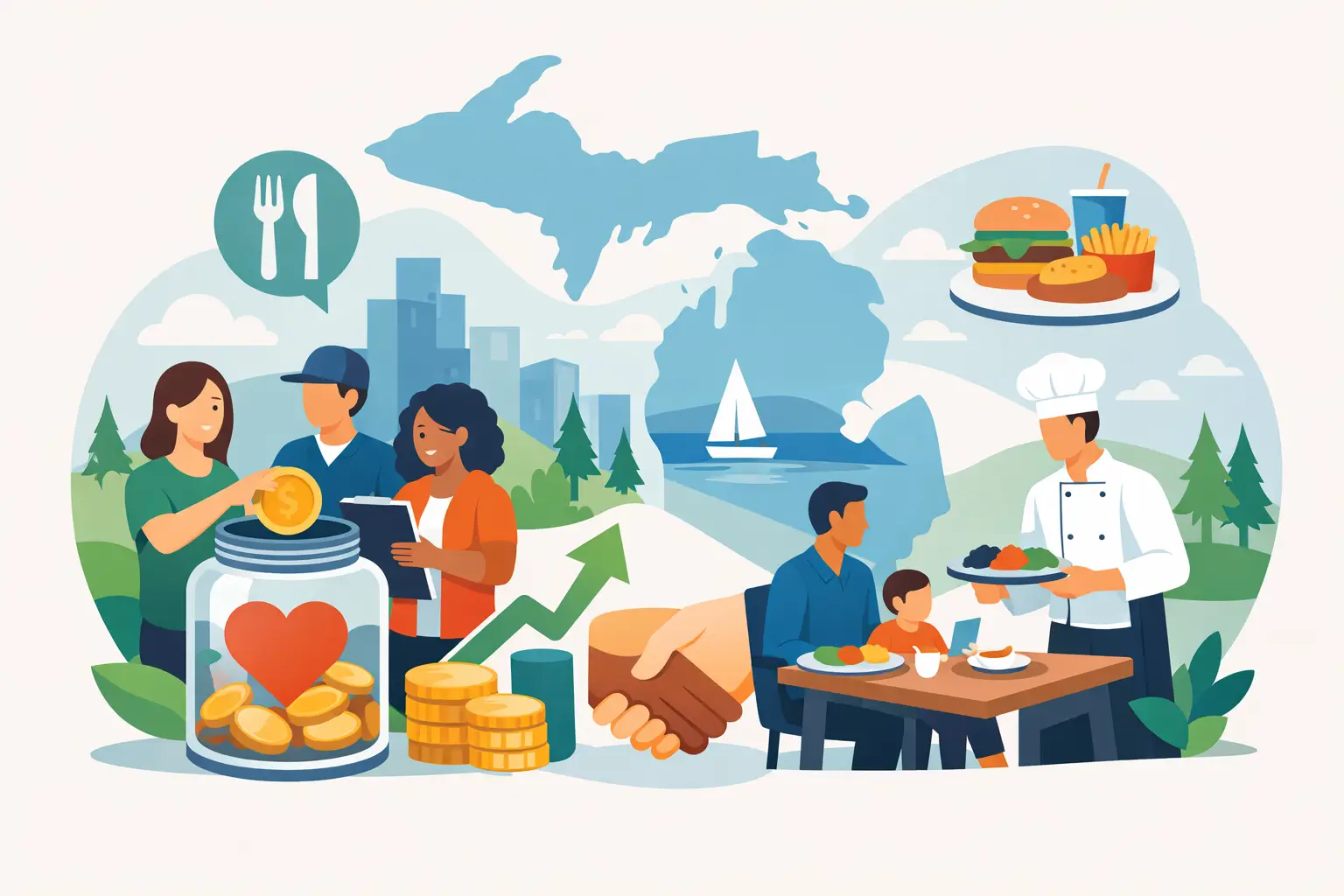
A good fundraiser should not leave your volunteers standing in a parking lot with a box of candy bars and a hopeful look. Restaurant fundraising programs Michigan groups can use give supporters something they already want: a great meal, an easy reason to gather, and a clear way to help a local cause.
For school teams, booster clubs, youth groups, nonprofits, and neighborhood organizations around Pontiac and Metro Detroit, the best restaurant fundraiser feels less like a sales pitch and more like a community dinner. People order lunch for the office, bring the family in for sandwiches, or grab carryout on a busy night. A portion of eligible sales goes back to the group. Everybody eats. Your cause gets a lift. How’d ya get so lucky?
What Makes a Restaurant Fundraiser Worth Doing?
The strongest restaurant fundraiser is simple enough that people understand it in one sentence. Dine in, carry out, or order during the event window, follow the restaurant’s instructions, and the organization receives its agreed-upon share. When the rules are clear, supporters are more likely to participate and volunteers spend less time answering the same questions.
Convenience matters as much as the percentage. A restaurant may offer a generous return, but it will not help much if it is hard to reach, has limited hours, or serves food your supporters do not regularly buy. Look for familiar crowd-pleasers, easy ordering options, and a location that works for the people you expect to invite.
This is where a full-service local deli can make sense. Breakfast meetings, office lunches, family dinners, pickup after practice, and catered gatherings all fit naturally around a menu built for hungry people. At Bronx Deli, the big sandwich reputation and home-cooked New York-style deli food give supporters a reason to show up beyond simply doing a good deed.
Choosing Restaurant Fundraising Programs in Michigan
Not every program is built the same. Before you announce a date, have a real conversation with the restaurant about how the fundraiser works. The details protect both your organization and the business, and they keep disappointment off the menu.
Ask how sales are counted
Find out exactly which orders qualify. Some programs count dine-in and carryout; others may include online orders, delivery, catering, gift cards, alcohol, tax, or gratuity differently. Ask whether supporters need to show a flyer, mention your organization, use a code, or order through a particular channel.
That answer shapes every piece of promotion you create. If a flyer or code is required, put that instruction in large type at the top of every post, email, and reminder. If online ordering counts only through a special link or category, do not assume people will figure it out at checkout.
Confirm the timing and payout
A two-hour window can work for a tight school community, but a longer lunch-to-dinner event often gives families and workers more flexibility. Ask when the restaurant will calculate the donation, when your group should expect payment, and whether there is a minimum sales total.
There is no universally perfect fundraising percentage. A higher percentage with complicated rules may raise less than a straightforward offer at a restaurant supporters genuinely enjoy. Participation is the multiplier. Choose the setup that your community will actually use.
Match the restaurant to the crowd
A varsity team may bring in parents and teens after a game. A PTO fundraiser may depend on busy families grabbing dinner. A professional association may get better results from a lunch crowd. Think about parking, pickup speed, seating, delivery availability, menu variety, and whether the restaurant can handle a rush.
Food quality counts, too. People will rally around a place they are proud to recommend. A fundraiser is an invitation, and nobody wants to invite friends to a forgettable meal.
Set a Goal That Feels Real
“Support us” is kind, but it is not a plan. Give your fundraiser a specific purpose and a number. Maybe the band needs $1,200 for new uniforms, the robotics club needs tournament fees, or a neighborhood group is filling weekend food bags for local families.
Say what the money does. A supporter who knows their corned beef sandwich helps send 10 students to a competition has a reason to act now. Specificity turns a nice idea into a shared mission.
Work backward from the goal. If your group receives a percentage of eligible sales, estimate how many orders you need based on the restaurant’s usual check size. You do not need a complicated spreadsheet. A realistic target tells you whether one dinner event is enough or whether you should plan a series of smaller fundraisers over the season.
Promotion Is Where Most Fundraisers Win or Lose
Posting once on social media is not a promotion plan. Your supporters are busy, and an event can disappear beneath a day of school updates, work messages, and family schedules. Start sharing the date about two weeks ahead when possible, then repeat the essentials often without making every message sound the same.
Your message should answer four questions right away: who benefits, when to order, where to order, and what the supporter must do for the sale to count. Put the cause first, but make the food sound worth the trip. This is a restaurant event, after all. Let people picture the stacked sandwich, hot soup, crisp fries, or a take-home meal that saves them from cooking.
Use the channels your community already checks. Send an email through the school or organization, add the event to a newsletter, post in approved neighborhood groups, ask team captains to text families, and place a simple reminder at practices or meetings. If you have four or more volunteers, give each person a small assignment: school communications, social posts, direct outreach, workplace outreach, and event-night reminders.
Personal asks work especially well. A board member inviting 10 friends to dinner is often more effective than a polished graphic reaching 500 people who scroll past it. Encourage supporters to bring someone else. One family meal can become two when the invitation is easy and the food has a reputation behind it.
Make Event Night Easy on Everyone
Your organization should have one person serving as the restaurant contact, but do not crowd the dining room with volunteers unless the restaurant asks you to. The goal is a smooth guest experience. Supporters should feel welcomed, not cornered.
A small table sign, a friendly greeter at an agreed-upon time, or a quick thank-you message from the organization can be plenty. If your fundraiser permits it, have a QR code or printed card explaining the cause, but keep the required ordering instructions front and center.
Plan for common questions before they happen. Can supporters order ahead? Does carryout count? Is a flyer required? Can they use rewards or gift cards? The restaurant’s answers should be repeated exactly. Guessing creates confusion, and confusion costs orders.
If your organization has a larger gathering in mind, ask whether catering is a better fit than a standard fundraiser night. A catered office lunch, team banquet, or volunteer appreciation meal can feed a crowd with less waiting. It may not follow the same donation structure, so treat it as a separate conversation, not an assumption.
Keep the Relationship Going
When the event ends, thank the restaurant quickly and thank supporters even faster. Share the amount raised when it is available, along with a concrete reminder of what the funds will do. People like seeing the finish line, and that proof makes them more likely to join the next event.
Take notes while the details are fresh. Which posts drove the most orders? Did lunch or dinner perform better? Did families prefer carryout? Were the instructions obvious? A fundraiser that raises a modest amount can still be a success if it teaches your group how to organize a stronger second round.
The best restaurant fundraising programs in Michigan do more than collect dollars for one night. They give neighbors a reason to sit down together, support a cause close to home, and leave with full plates and a little more pride in their community. Pick a restaurant people already crave, make the instructions crystal clear, and give every order a purpose worth coming back for.